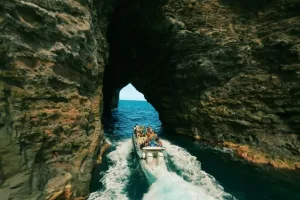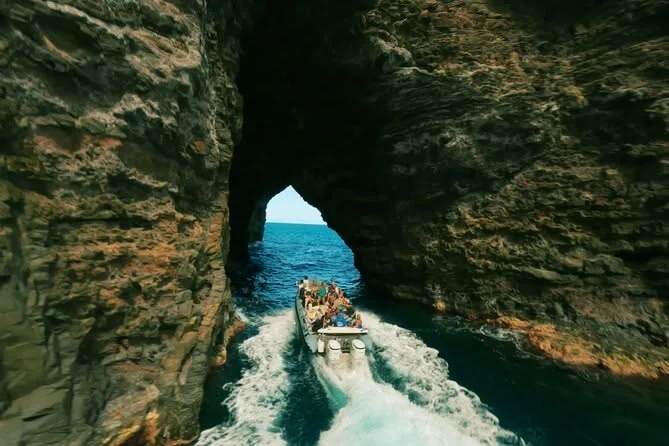
Standing at the edge of Kauai’s rugged Na Pali Coast, visitors often marvel at the sheer cliffs and turquoise waters, but few realize the challenges that come with exploring the sea caves carved into these ancient lava rocks. During the summer, the region’s surf swells create both an opportunity and a challenge for anyone aiming to experience these natural wonders up close. The question is not just how to reach these iconic sea caves, but how to do so safely when the Pacific’s mood shifts with the season. Tour operators employ specialized boats, trained captains, and strict safety protocols to make these adventures possible, transforming a potentially dangerous journey into a must-do Kauai experience for those seeking the island’s wilder side.
Kauai Summer Swell Dynamics Along the Na Pali Coast
During the summer months, the Na Pali Coast is shaped by a unique swell pattern. Unlike winter, when northern storms bring large, unpredictable waves, summer swells along the coast are generally more consistent and manageable, but can still present sudden surges that challenge navigation. The orientation of the sea caves—often facing open ocean—means even moderate swells can funnel water inside, creating strong currents and shifting wave heights within the caves themselves.
This dynamic environment requires constant assessment by boat operators. Crew members watch for changes in wave sets, monitoring how water flows in and out of each cave to time entry and exit points safely. Understanding the seasonal wave behavior on Hawaii’s north shore is essential for planning routes and avoiding hazardous conditions that may arise unexpectedly during a tour.
The interplay between summer swell consistency and the cave locations makes this coastline both alluring and challenging. For many, the excitement of entering a sea cave is heightened by knowing that real-time decisions are being made based on the living ocean outside.
Specialized Watercraft Engineering for Sea Cave Exploration
Exploring the Na Pali Riders sea caves requires more than a standard vessel. Rigid-hull inflatable boats (RHIBs) are commonly used for these tours because of their unique engineering. These boats combine a solid, shaped hull with inflatable sides, allowing them to absorb impacts from waves and rocks while maintaining maneuverability in tight spaces.
RHIBs are lightweight enough to respond quickly to steering commands, which is critical when timing a safe entry or exit from a sea cave as a set of waves approaches. Their low profile lets them slip under rocky overhangs and into shallow entrances that larger boats cannot access. Rigid inflatable boat design features are specifically chosen for their ability to handle both open water and confined, surge-prone environments like those found along the Na Pali Coast.
Features such as reinforced hulls and self-bailing decks add another layer of protection, ensuring that the vessel can withstand sudden changes in ocean conditions while keeping passengers secure. These design elements are a vital part of why this type of tour is possible when summer swells are at their peak.
Captain Expertise and Maneuvering Kauai Sea Caves Safely
Successfully navigating sea caves during summer swells depends heavily on the skill and local knowledge of the captain. Years of experience with Kauai’s coastline allow captains to anticipate how swells will interact with each specific cave—knowledge that goes beyond reading the surface of the water. Timing is critical; a captain may wait for a lull in the wave set before entering a cave, then position the boat to minimize exposure to surge while inside.
Real-time decision-making is a cornerstone of this work. Captains communicate with their crew and use visual cues from the shoreline, such as the way spray hits the rocks, to gauge the safest moment to approach. Operators like Na Pali Riders rely on this blend of technical skill and local intuition to offer memorable trips into the sea caves, making these guided tours a standout Kauai adventure.
Expertise with boat controls, an understanding of local wave patterns, and a calm demeanor all contribute to a smooth and safe journey. This hands-on approach ensures that every cave visit is tailored to the exact conditions present on a given day.
Passenger Safety Protocols During High Surf Boat Tours
Safety is paramount when entering sea caves during active summer swells. Passengers are briefed before departure on how to sit, hold on, and react to sudden movements as the boat maneuvers through waves and into tight cave entrances. Life jackets are provided and required at all times, and crew members are positioned to assist anyone needing additional support during the tour.
Operators set clear boundaries for participation, advising those with back or neck injuries, or those prone to motion sickness, to reconsider joining the sea cave portions of the trip. Emergency procedures are rehearsed regularly, with staff trained to respond to changing ocean conditions or medical needs mid-tour. These marine tour safety guidelines are put in place to ensure that even when conditions become unpredictable, every precaution is taken to protect guests.
By clearly communicating expectations and maintaining strict safety standards, these tours allow passengers to focus on the thrill of entering a sea cave, rather than worrying about what could go wrong during high surf conditions.
Conclusion
For those seeking an unforgettable way to experience Kauai’s natural wonders, booking a summer sea cave adventure with a skilled and safety-focused operator provides both excitement and peace of mind. Evaluate tour companies by their equipment, captain expertise, and safety protocols to make your trip along the Na Pali Coast both awe-inspiring and secure.