Retail environments rely heavily on ambiance to create memorable experiences for customers. Lighting plays a pivotal role in shaping this ambiance, influencing not only the aesthetic appeal but also the shopping behavior of consumers. By installing Commercial LED Lighting Fixtures, retailers can significantly transform their spaces, making them more inviting and efficient. This article explores how strategic lighting solutions enhance retail environments, increase product visibility, improve energy efficiency, and create engaging customer experiences.
Transforming Atmospheres with LED Lighting in Retail Environments
The transformation of retail atmospheres begins with the right lighting. LED lighting offers a versatile solution that can be tailored to fit the specific needs of a retail space. By employing a Gemba Walk Protocol, retailers can assess the existing lighting conditions and identify areas for improvement. This method involves walking through the store to observe how customers interact with the space and how lighting affects their experience. Implementing a Change Management Framework ensures that any transition to LED lighting is smooth and minimally disruptive to the daily operations.
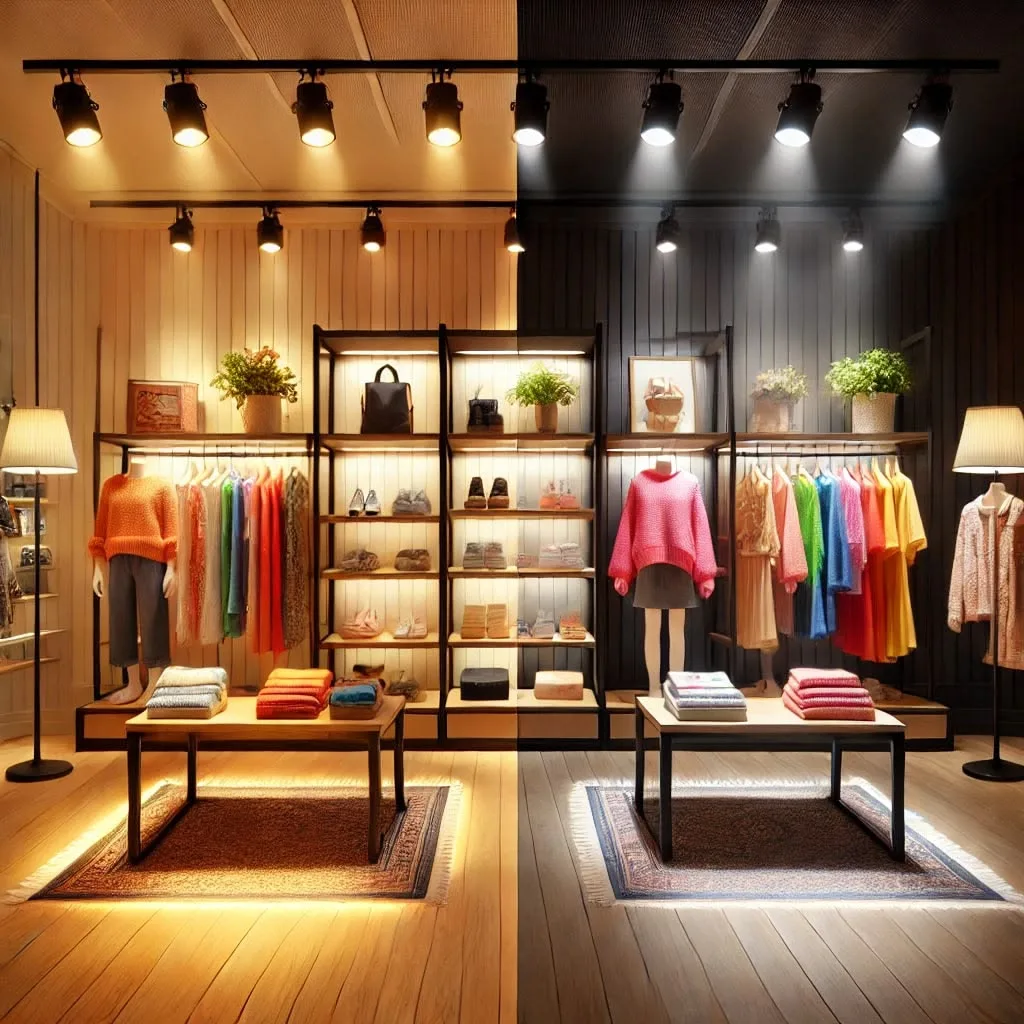
Moreover, LED lights are known for their ability to create different moods through adjustable color temperatures and intensities. This flexibility allows retailers to customize their environments based on seasonal promotions or special events, enhancing the overall shopping experience. A recent study by Retail Dive found that retailers who adopted LED lighting saw a noticeable improvement in customer engagement and sales.
Enhancing Product Visibility through Innovative Lighting Solutions
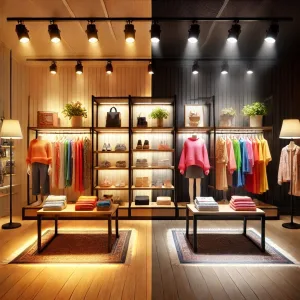
Product visibility is crucial in retail spaces, and innovative lighting solutions can make a significant difference. LEDs provide high color rendering index (CRI) values, which ensure that colors appear more vivid and true to life. This is particularly important for fashion and lifestyle retailers where color accuracy can influence purchasing decisions. Implementing a Value Stream Mapping Tool can help retailers visualize the impact of lighting on product displays and optimize layouts for maximum visibility.
Additionally, strategic lighting placement can highlight premium products and create focal points within the store. Using a Stakeholder Engagement Matrix, retailers can gather feedback from both customers and employees to refine their lighting strategy, ensuring that it meets the needs of all stakeholders involved. This collaborative approach enhances the effectiveness of lighting solutions and boosts overall customer satisfaction.
Energy Efficiency and Cost Savings with Commercial LED Fixtures
One of the most compelling reasons to switch to LED lighting is its energy efficiency. LED fixtures consume significantly less energy compared to traditional lighting options, leading to substantial cost savings. A Cost-Benefit Analysis Template can be used to quantify the financial benefits of upgrading to LEDs, taking into account factors such as reduced energy consumption and maintenance costs.
Furthermore, LED lighting has a longer lifespan, which reduces the frequency of replacements and associated labor costs. By conducting a Performance Benchmarking Metric, retailers can compare their energy usage and savings with industry standards, ensuring they are maximizing their investment in LED technology. According to the U.S. Department of Energy, widespread adoption of LED lighting could save businesses billions in energy costs over the coming decades.
Creating Engaging Customer Experiences with Strategic Lighting Design
Strategic lighting design is essential for creating engaging customer experiences. LEDs enable retailers to craft immersive environments that captivate and retain customer interest. By employing a Kanban Systematic Approach, retailers can manage their lighting projects efficiently, ensuring timely implementation and maintenance. This method helps streamline the process of upgrading and maintaining lighting systems, thereby enhancing the in-store experience without disruption.
Additionally, retail spaces that utilize dynamic lighting solutions can adapt to customer preferences and shopping behaviors. Using a Net Promoter Score Analysis, retailers can measure the impact of their lighting design on customer satisfaction and loyalty. An inviting and well-lit store not only attracts more customers but also encourages them to spend more time exploring products, ultimately driving sales.
Conclusion
LED lighting transforms retail spaces by enhancing atmosphere, improving product visibility, and delivering energy efficiency. These benefits translate into engaging customer experiences and significant cost savings for retailers. By adopting strategic lighting solutions, businesses can create inviting environments that captivate customers and foster long-term loyalty, ensuring a competitive edge in the ever-evolving retail landscape.