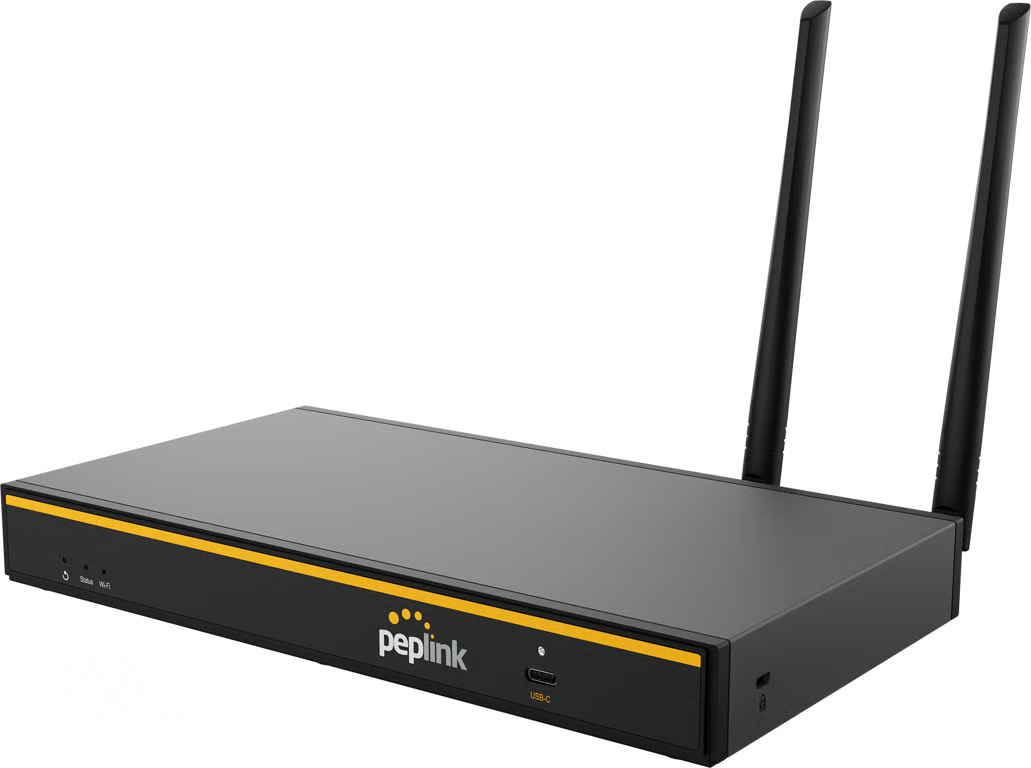
In the dynamic landscape of Internet and Technology, securing network infrastructure is more important than ever. Peplink Routers have emerged as a critical solution for organizations seeking to bolster their network security without compromising on performance. These routers are equipped with advanced features that not only enhance security but also optimize network management. This article delves into the essential features of a Peplink Router that significantly enhance security, ensuring that your network remains resilient against potential threats.
Advanced Firewall Capabilities for Robust Protection
A cornerstone of Peplink Routers is their advanced firewall capabilities. These firewalls are designed to provide robust protection by filtering incoming and outgoing traffic based on a set of security rules. This feature acts as an API Gateway, managing the data flow between users and services while preventing unauthorized access. The firewall can be configured to block specific IP addresses or protocols, adding an extra layer of security that is crucial in defending against threats such as Distributed Denial of Service (DDoS) attacks.
Incorporating advanced firewall capabilities also facilitates DDoS Mitigation, a critical process in safeguarding networks from being overwhelmed by malicious traffic. The firewall’s ability to recognize and filter out unwanted traffic ensures that legitimate users can access network resources without disruption. A recent study by CSO Online highlights how effective firewall configurations can mitigate the impact of DDoS attacks, underscoring the importance of this feature.
VPN Support for Secure Remote Access and Privacy
Peplink Routers come with built-in VPN (Virtual Private Network) support, which is essential for secure remote access. VPNs establish encrypted connections over the Internet, ensuring that data transmitted between remote users and the network remains private and secure. This feature is particularly beneficial for organizations utilizing Edge Computing, where processing is done at the network’s edge, closer to the data source. By using VPNs, companies can ensure secure data transfer and protect sensitive information from interception.
Furthermore, the integration of Quantum Cryptography in VPN protocols further enhances the security of data transmissions by using quantum mechanics to encrypt data, making it virtually impervious to traditional decryption methods. As reported in a TechRadar article, the implementation of quantum cryptography in VPNs ensures that data remains secure even against the most advanced cyber threats.
Traffic Management Tools to Prevent Unauthorized Access
The traffic management tools available in Peplink Routers are pivotal for preventing unauthorized access to the network. These tools allow administrators to monitor and control the data flow across the network, ensuring that only authorized users have access to specific resources. By employing techniques similar to Microservices Architecture, where applications are broken into smaller, manageable services, network traffic can be segmented and controlled more effectively.
Additionally, Peplink Routers support OAuth Token Exchange, a protocol that enhances security by allowing users to access resources without exposing their credentials. This method of user authentication and authorization is crucial for maintaining a secure network environment, especially in organizations that handle sensitive data. Traffic management tools also aid in Continuous Deployment Pipeline, ensuring that updates and changes are implemented securely and efficiently.
Regular Firmware Updates for Ongoing Security Improvements
One of the key security features of a Peplink Router is its ability to receive regular firmware updates. These updates are essential for addressing vulnerabilities, patching security flaws, and improving overall performance. By keeping the firmware up-to-date, organizations can protect their networks from emerging threats and ensure compliance with the latest security standards. This process aligns with the principles of Compliance-as-Code, where security and compliance requirements are automated and integrated into the network’s infrastructure.
Moreover, regular firmware updates facilitate the implementation of new security technologies, such as WebAssembly and GraphQL Schema, which enhance the router’s capabilities and provide advanced protection measures. By staying current with the latest advancements, organizations can maintain a robust security posture and protect their networks against evolving threats.
Conclusion
Peplink Routers offer a comprehensive suite of features designed to enhance network security, from advanced firewall capabilities to regular firmware updates. These features ensure that organizations can protect their networks from potential threats while optimizing performance and efficiency. For businesses seeking a reliable and secure networking solution, investing in a Peplink Router is a strategic choice that promises long-term security benefits.