Creating inclusive and accessible environments has become a key priority in modern urban planning. In Slovakia, this focus has led to a growing reliance on tactile guidance systems that help people with visual impairments move safely through public and private spaces. At the centre of this effort is the tactile indicators manufacturer, whose role goes far beyond producing simple surface elements. These manufacturers support accessibility goals, safety standards, and long-term infrastructure development across the country.
What Are Tactile Indicators And Why Do They Matter?
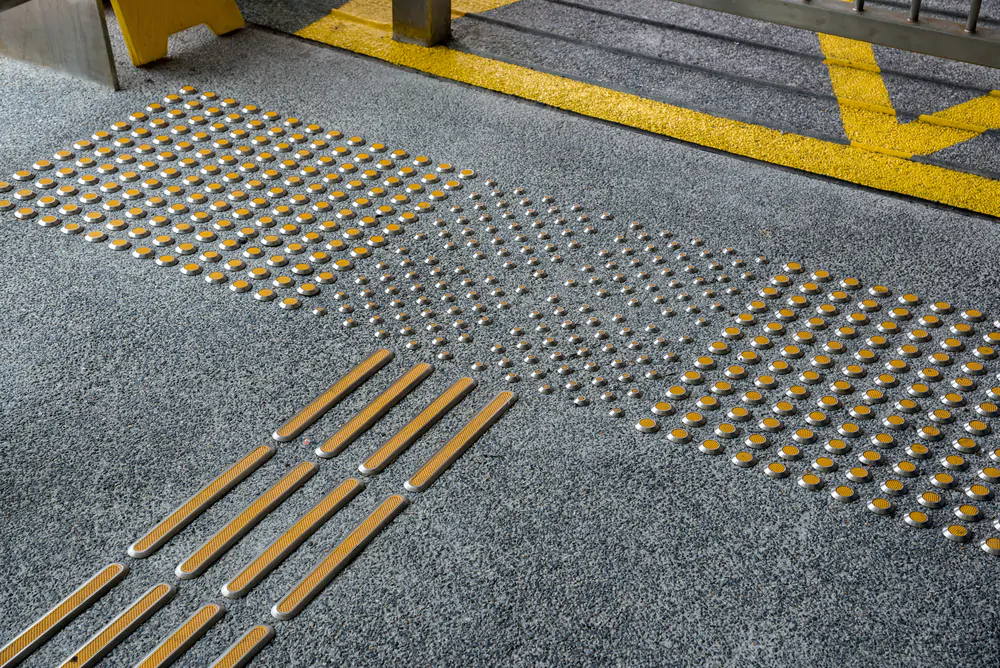
Tactile indicators are textured surface elements installed on walkways, transit platforms, stairways, ramps, and entrances. They provide physical cues underfoot or through a cane, allowing visually impaired individuals to detect hazards, navigate routes, and orient themselves confidently.
In Slovakia, tactile indicators play an important role in promoting equal access to transportation hubs, government buildings, healthcare facilities, shopping centres, and residential developments. Their correct design and placement can reduce accidents, increase independence, and support social inclusion. Because of this, the responsibility placed on manufacturers is significant.
Supporting Accessibility And Inclusive Design
A tactile indicator manufacturer in Slovakia contributes directly to the country’s accessibility landscape. By producing guidance and warning surfaces that meet functional needs, manufacturers help designers and planners create environments that are usable by everyone.
Manufacturers often collaborate with architects, engineers, and contractors to ensure tactile systems integrate smoothly into overall designs. This includes advising on indicator types, spacing, layout patterns, and colour contrast. Their expertise helps ensure that tactile elements are not added as an afterthought but incorporated as a meaningful part of inclusive design.
Ensuring Compliance With Standards And Regulations
One of the most critical responsibilities of a tactile indicator manufacturer is adherence to applicable accessibility and safety standards. These standards define dimensions, textures, slip resistance, durability, and visual contrast to ensure consistency and effectiveness.
In Slovakia, manufacturers must align their products with national building requirements and relevant European accessibility guidelines. This involves precise production processes, material testing, and quality assurance. By maintaining compliance, manufacturers help project developers avoid costly revisions while ensuring that public spaces remain safe and legally sound.
Material Selection And Durability
Tactile indicators are exposed to heavy foot traffic, weather conditions, and long-term wear. A reliable manufacturer understands the importance of selecting materials that balance durability, safety, and aesthetics.
Common materials include stainless steel, aluminum, concrete, rubber, and high-performance polymers. Each material serves different applications depending on location and usage. Manufacturers in Slovakia must consider climate conditions, maintenance needs, and surface compatibility when producing tactile indicators for outdoor streets, indoor facilities, or transit environments.
Durability is especially important for public infrastructure projects where replacements can disrupt daily life and increase costs. High-quality manufacturing ensures tactile indicators retain their function and appearance over time.
Precision Manufacturing And Quality Control
Accuracy is essential in tactile indicator production. Even minor deviations in height, spacing, or texture can reduce effectiveness or create tripping hazards. Manufacturers are responsible for maintaining precise tolerances during production and finishing.
Quality control processes typically include dimensional checks, surface testing, and slip resistance evaluation. These measures ensure that every tactile indicator performs consistently once installed. In Slovakia’s expanding infrastructure projects, dependable manufacturing quality supports long-term safety and reliability.
Supporting Urban Development And Public Safety
As Slovak cities modernize, tactile indicators are increasingly integrated into public transport systems, pedestrian zones, and smart city initiatives. Manufacturers play a behind-the-scenes role in making these developments accessible to all citizens.
By supplying tactile solutions for train stations, bus terminals, crossings, and public squares, manufacturers help reduce navigation barriers for visually impaired pedestrians. Their products contribute to safer movement patterns and clearer spatial orientation in busy urban environments.
Adapting To Custom Project Requirements
Not all projects have identical needs. A tactile indicator manufacturer often provides customization options to meet specific architectural, aesthetic, or functional requirements. This may include variations in colour, shape, material, or installation method.
In Slovakia, where historical buildings and modern developments coexist, manufacturers must adapt tactile solutions to different environments without compromising accessibility. This flexibility allows tactile indicators to blend into surroundings while still delivering essential guidance.
Driving Awareness And Best Practices
Beyond production, manufacturers also play an educational role. By sharing best practices with planners and contractors, they help raise awareness about the proper installation and usage of tactile indicators.
Correct placement is just as important as product quality. Manufacturers who provide guidance and technical support help ensure tactile systems are used effectively, maximizing their benefit for end users.
Conclusion
The role of a tactile indicator manufacturer in Slovakia extends far beyond manufacturing surface elements. These companies support accessibility, ensure compliance with standards, enhance public safety, and contribute to inclusive urban growth. Through careful material selection, precision manufacturing, and collaboration with industry professionals, they help create environments where everyone can move with confidence and dignity. As accessibility continues to gain importance, the contribution of skilled tactile indicator manufacturers will remain essential to Slovakia’s infrastructure and social progress.