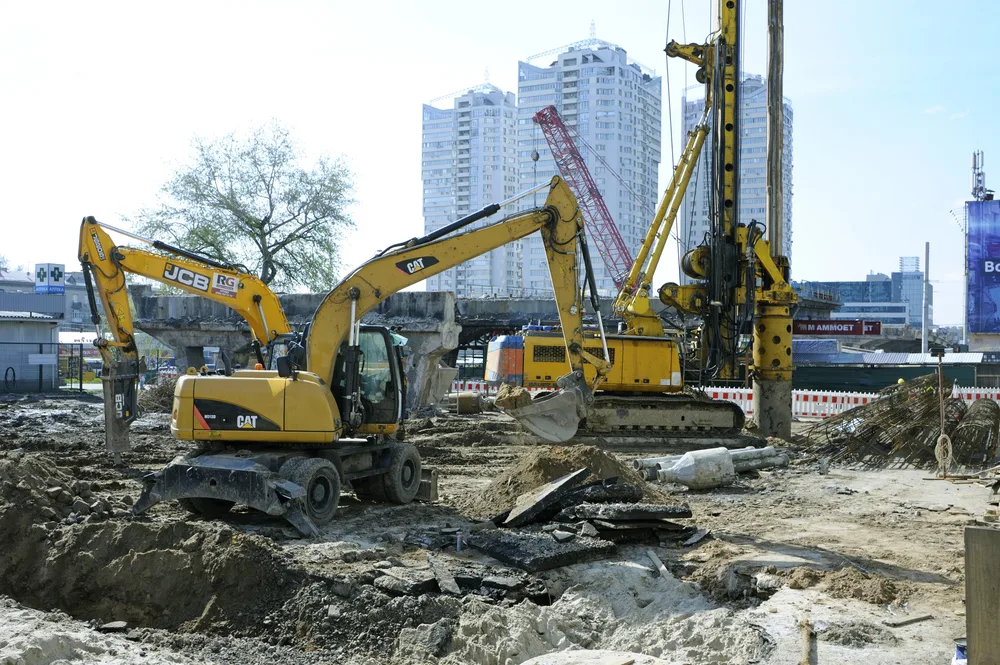
Short-term construction and industrial projects often come with tight budgets, limited timelines, and specific equipment needs. Buying heavy machinery for temporary use can be expensive and impractical. This is why many contractors and project managers turn to heavy equipment rental as a smart alternative. Renting allows businesses to access the right machines without long-term commitments. From cost savings to operational flexibility, rental solutions provide several advantages for short-term work.
Lower Upfront Investment
One of the biggest benefits of renting heavy equipment is the reduced initial cost. Purchasing machinery such as excavators, loaders, or cranes requires a large capital investment. For short-term projects, this expense may not make financial sense. Renting eliminates the need for a major purchase, allowing businesses to use their funds for labor, materials, and other project requirements. This lowers financial risk and preserves a steady cash flow.
Access To A Wide Range Of Equipment
Heavy equipment rental companies offer a broad selection of machinery designed for different job types. Whether you need earthmoving tools, lifting equipment, or compact machines for small spaces, rental providers have options to match your needs. This variety ensures that contractors can select the right equipment for each phase of a project. Instead of relying on one machine for multiple tasks, businesses can rent specialized tools that improve efficiency and safety.
No Maintenance Or Storage Hassles
Owning heavy equipment means taking responsibility for regular maintenance, repairs, and storage. These recurring expenses can mount up rapidly, particularly if the equipment is not utilized on a daily basis. With rental services, maintenance is handled by the provider. Machines are inspected, serviced, and kept in good condition before delivery. This reduces downtime and ensures equipment reliability. Additionally, there is no need to worry about storing large machinery once the project is complete.
Increased Flexibility For Project Needs
Short-term projects often change as work progresses. Unexpected challenges may require different types of machinery or additional equipment. Renting allows businesses to adapt quickly to these changes. If a project requires a larger excavator or a different attachment, contractors can easily upgrade or swap equipment. This flexibility helps teams stay productive and avoid delays caused by unsuitable machinery.
Improved Budget Control
Equipment rental makes budgeting more predictable. Rental costs are usually fixed and agreed upon in advance, making it easier to estimate expenses. Unlike ownership, where repair and maintenance costs can be unpredictable, rental fees cover most service needs. This transparency helps project managers plan better and avoid surprise expenses. With clear pricing, businesses can allocate resources more effectively and keep projects within budget.
Access To Modern Technology
Rental companies regularly update their equipment inventory to include newer models. This gives contractors access to modern machinery with advanced features and better performance. Newer equipment often offers improved fuel efficiency, enhanced safety systems, and higher productivity. For short-term projects, using the latest machines can make a significant difference in work quality and speed without the long-term cost of ownership.
Reduced Downtime And Faster Project Completion
Equipment breakdowns can slow down work and increase project costs. Rental providers typically offer support services, including quick repairs or equipment replacement if needed. This keeps projects on track and reduces downtime. Reliable machines and professional support ensure that teams can complete tasks efficiently without unnecessary interruptions.
Better Compliance With Safety Standards
Safety is a top priority in construction and industrial environments. Rental firms make sure that their equipment complies with industry standards and safety laws. Machines are inspected and maintained to reduce the risk of accidents. Operators can also receive guidance on proper usage. This focus on safety helps protect workers and reduces liability for contractors.
Ideal For Seasonal Or Temporary Work
Some businesses only need heavy machinery during certain seasons or for specific contracts. Renting allows them to meet temporary demands without owning unused equipment for the rest of the year. This is especially helpful for landscaping, roadwork, and agricultural projects that depend on weather conditions. Renting ensures access to equipment only when needed, improving overall efficiency.
Environmentally Responsible Choice
Heavy equipment rental also supports sustainability. Shared equipment reduces the number of machines being manufactured and stored. Newer rental models often meet stricter emission standards, helping reduce environmental impact. By choosing rental options, businesses can support greener construction practices while maintaining productivity.
Conclusion
Heavy equipment rental offers a practical and cost-effective solution for short-term projects. It eliminates large upfront investments, reduces maintenance responsibilities, and provides access to modern machinery. With flexible options and reliable support, rental services help businesses stay efficient and competitive. For contractors working on temporary or seasonal projects, renting heavy equipment is a smart strategy that balances performance, budget control, and operational convenience.