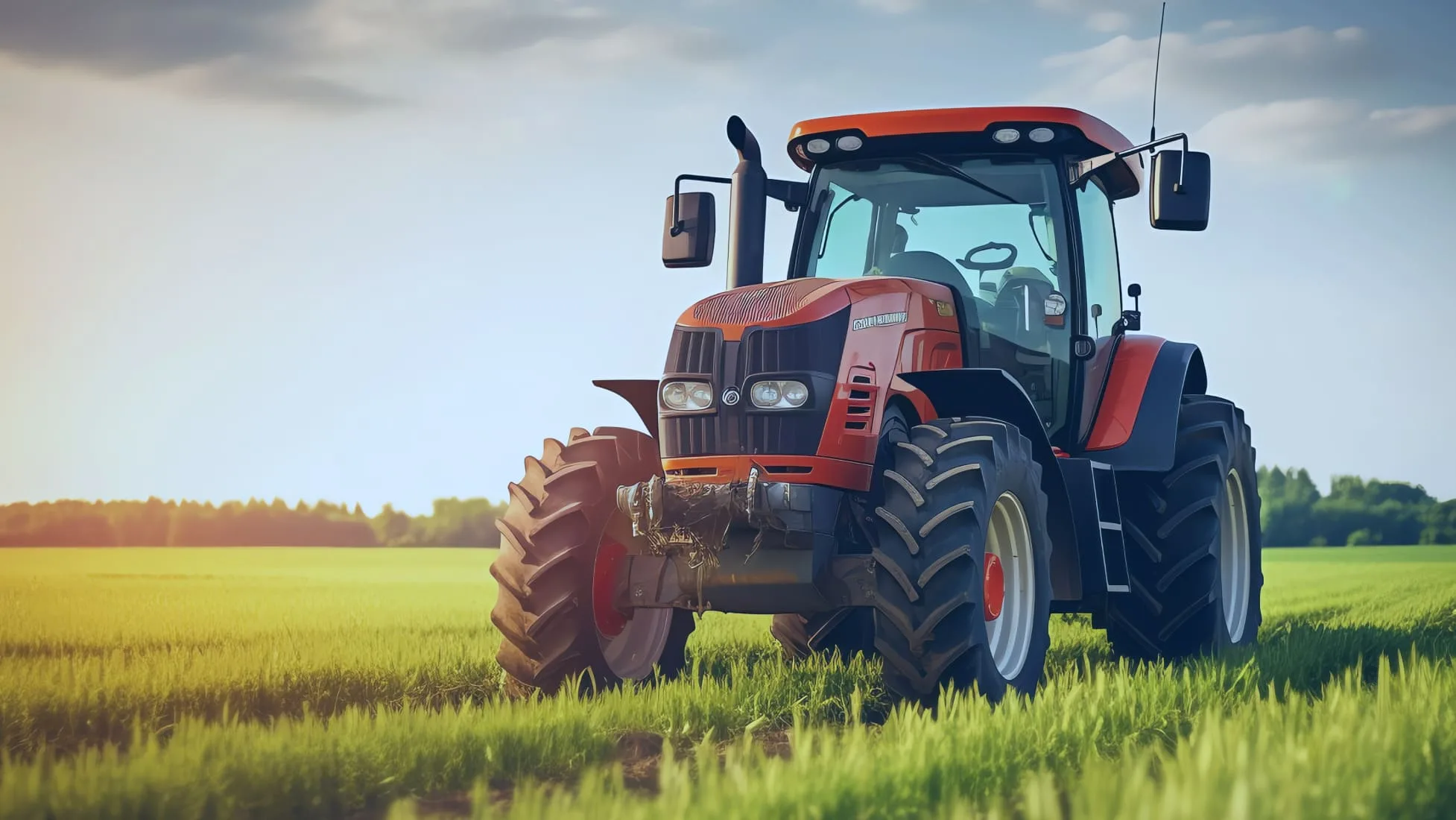
Modern farming is no longer guided by guesswork or simple visual alignment. With rising input costs and pressure to improve efficiency, farmers are turning to satellite guided tractors to bring precision into every pass across the field. These systems use positioning signals from satellites to steer machinery with remarkable accuracy. One of the biggest advantages of this technology is its ability to reduce overlapping and gaps during field operations, which directly impacts productivity, resource use, and crop performance.
The Problem With Traditional Field Passes
Before precision guidance, tractor operators relied heavily on visual markers, foam lines, or physical row references. While experienced drivers could do an impressive job, human error was unavoidable. Even small steering deviations created overlaps where areas were treated twice or gaps where no treatment was applied at all.
Overlapping leads to wasted seed, fertilizer, and chemicals. It can also stress crops through overapplication. Gaps, on the other hand, result in uneven crop stands, weed escapes, and inconsistent yields. Over time, these small inefficiencies add up to significant financial losses and reduced field uniformity.
How Satellite Guidance Systems Work
Satellite guided tractors use Global Navigation Satellite Systems to determine their exact position in the field. An onboard receiver communicates with satellites and correction services to achieve highly accurate positioning. The guidance system then connects to steering controls, either assisting the driver or automatically steering the tractor.
This technology is a key part of Space-based agriculture, where satellite signals play a direct role in daily farm operations. Instead of relying on the operator’s eye, the tractor follows digital guidance lines created on a display inside the cab. These lines are planned based on field boundaries, equipment width, and desired spacing, ensuring every pass is precisely aligned.
Eliminating Overlaps in Field Operations
One of the most immediate benefits of satellite guidance is the sharp reduction in overlaps. When spreading fertilizer, spraying, or planting, the system keeps each pass evenly spaced from the previous one. The equipment width is programmed into the system, so the tractor knows exactly where the next path should be.
This precision prevents double coverage. As a result, farmers use fewer inputs without sacrificing effectiveness. Lower chemical and fertilizer use reduces costs and also minimizes environmental impact. Crops benefit as well, since they are not exposed to excessive rates that can cause damage or uneven growth.
Closing the Gaps for Better Crop Uniformity
Gaps are just as harmful as overlaps. Missed strips during planting mean lower plant populations in certain areas. During spraying, untreated zones become hotspots for weeds or pests. Satellite guidance addresses this by maintaining consistent spacing from one pass to the next, even in low visibility conditions such as dust, fog, or nighttime operations.
Because the system follows precise digital paths, it does not get tired or lose focus. Every section of the field receives the intended treatment. This leads to more uniform emergence, growth, and maturity, which ultimately improves harvest consistency and overall yield potential.
Improved Efficiency Beyond Accuracy
Reducing overlaps and gaps does more than protect crops. It also improves overall field efficiency. Fewer unnecessary passes mean less fuel consumption and reduced machine wear. Operators experience less stress because they are not constantly correcting steering. This allows them to focus on monitoring equipment performance and field conditions.
In addition, work can continue for longer hours, including at night, without sacrificing accuracy. This flexibility is especially valuable during narrow planting or spraying windows when timing is critical.
A Step Toward Smarter Farming
Satellite guided tractors represent a shift toward data driven farming. By combining accurate positioning with digital field maps, farmers gain better control over every operation. Reducing overlaps and gaps is one of the clearest examples of how technology turns precision into profit.
As Space-based agriculture continues to evolve, satellite guidance will remain central to improving efficiency, lowering costs, and supporting sustainable farming practices. What once depended on human judgment is now managed with consistent, repeatable accuracy, helping farmers get more value from every acre they work.