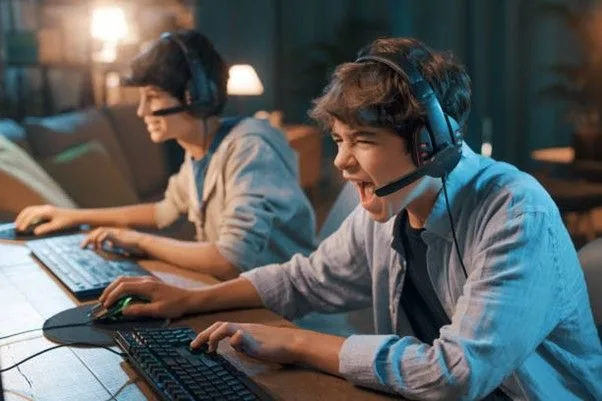
There was a time when your social circle was mostly defined by where you lived. Your friends were classmates, coworkers, or neighbors people you happened to meet in your daily routine. But today, the world feels much smaller. With just a stable internet connection and a simple login, you can meet and interact with people from entirely different countries, cultures, and backgrounds. And one of the most powerful tools making this possible is online gaming.
At first glance, online games may seem like simple entertainment. But from a broader perspective, they function as global meeting spaces digital environments where millions of players gather every day. Unlike traditional social media platforms, where interaction can feel passive, games 777 require active participation. You don’t just scroll through content; you engage, communicate, and collaborate. And through that engagement, connections begin to form naturally.
From a modern lifestyle point of view, online gaming fits perfectly into how people live today. Many individuals are busy with work, studies, or personal commitments, leaving little time to actively seek new friendships. Online games remove that barrier. You don’t need to attend an event or join a formal community you simply play. And while playing, you meet people. It’s effortless, organic, and often unexpected.
One of the most fascinating aspects of online gaming is its ability to connect people across borders. In a single match, you might find yourself teaming up with someone from Japan, competing against a player from Brazil, and chatting with another from Germany. These interactions may start small simple greetings, quick strategies but over time, they can grow into meaningful conversations and friendships.
From a cultural perspective, this global interaction is incredibly valuable. Online games expose players to different languages, communication styles, and ways of thinking. You begin to understand how people from other parts of the world approach challenges, express humor, or work as a team. These experiences broaden your worldview and make your social circle more diverse and dynamic.
Looking at it from a psychological angle, shared experiences play a crucial role in forming connections. Online games naturally create these experiences. Whether it’s winning a difficult match, losing in a dramatic moment, or simply exploring a virtual world together, players share emotions in real time. These shared emotional moments excitement, tension, joy create a sense of bonding that goes beyond casual interaction.
From a storyteller’s point of view, every gaming session is filled with small but meaningful stories. There are unexpected victories, funny mistakes, and moments of teamwork that feel genuinely rewarding. These stories become conversation starters, inside jokes, and shared memories. Over time, they form the foundation of stronger relationships, even between people who live thousands of miles apart.
Another important factor is communication. Many online games encourage voice chat or real-time messaging, which allows players mahjong ways to interact more directly. Unlike text-based social media, this kind of communication feels immediate and personal. You hear tone, emotion, and personality. This makes it easier to build trust and familiarity, turning strangers into acquaintances and eventually into friends.
From a community perspective, online games often evolve into social networks of their own. Players form teams, guilds, or groups that regularly play together. These groups grow over time as members invite others, creating a wider circle of connections. What starts as a small team can become a diverse international community, filled with people who share a common interest.
There is also a sense of inclusivity in online gaming that helps expand social circles. In many cases, players are not judged based on appearance, status, or background. Instead, they are valued for their skills, communication, and attitude. This creates an environment where people feel more comfortable interacting with others, even those who are very different from themselves.
From a personal growth perspective, engaging with a global gaming community can improve social confidence. Talking to new people, adapting to different communication styles, and working in diverse teams all help develop important social skills. Over time, players become more open, more adaptable, and more comfortable connecting with others both online and offline.
Of course, building a global social circle through gaming also comes with challenges. Language barriers, time zone differences, and cultural misunderstandings can sometimes create difficulties. However, these challenges often become opportunities to learn and grow. Players develop patience, empathy, and better communication skills as they navigate these differences.
From a broader perspective, online gaming reflects a major shift in how people build relationships. Social circles are no longer limited by geography. Instead, they are shaped by shared interests and experiences. Games provide a space where these connections can grow naturally, without the pressure of formal introductions or expectations.
In the end, online gaming is much more than a form of entertainment. It is a gateway to a global network of people, ideas, and experiences. It allows individuals to step outside their immediate environment and connect with others in meaningful ways.
Expanding your social circle no longer requires travel or physical presence. Sometimes, all it takes is joining a game, saying hello, and being open to the experience. Because behind every username is a real person, with their own story, perspective, and potential to become part of your journey.