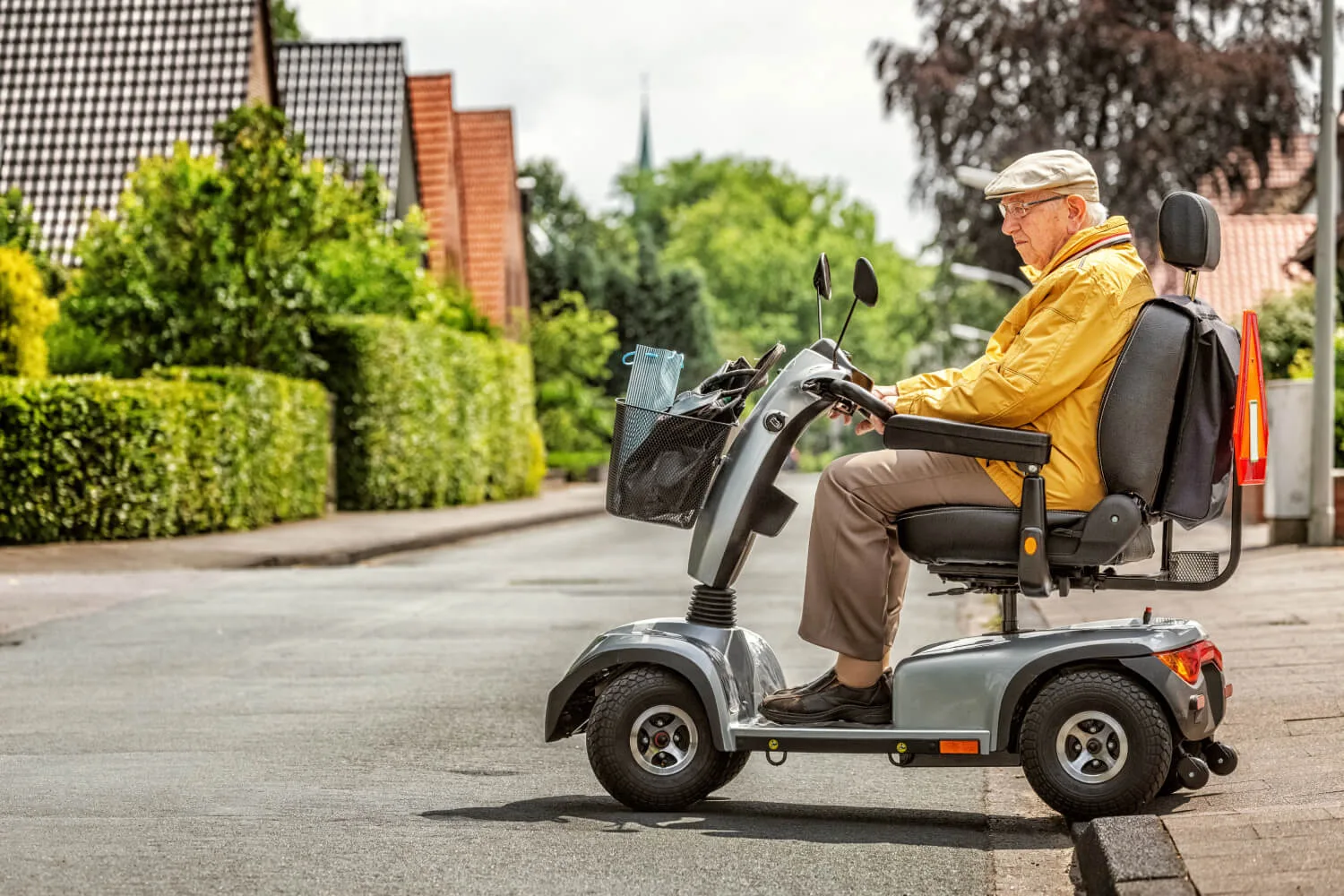
People who wish to preserve their independence, self-assurance, and an active lifestyle in spite of mobility obstacles have found mobility scooters to be indispensable. Whether used for daily errands, social visits, or simply enjoying time outdoors, the right scooter can make everyday life smoother and safer. However, with so many models and features available, choosing one requires careful thought. Comfort and safety should always be the top priorities, followed closely by practicality and ease of use.
Start With Your Daily Routine
Before looking at specifications, think about how and where the scooter will be used. Some people mainly use a scooter indoors, navigating hallways, lifts, and tight spaces. Others rely on it for outdoor trips, shopping runs, or neighbourhood walks. Your routine determines the size, turning radius, and type of wheels you need.
If your daily life includes crowded areas or small indoor spaces, a compact model with a tight turning circle is important. For longer outdoor routes, stability, stronger suspension, and larger wheels will provide a smoother ride. Matching the scooter to your lifestyle prevents discomfort and reduces the risk of accidents.
Comfort Is More Than Just A Seat
A comfortable mobility scooter encourages longer, more enjoyable use. The seat should be well-padded, adjustable in height, and offer proper back support. Swivel seats make getting on and off easier, especially for users with limited flexibility.
Armrests also contribute to the alleviation of strain on the forearms and shoulders. Look for adjustable armrests that can be moved out of the way when needed. Legroom is another key factor. Cramped foot space can lead to fatigue, poor posture, and discomfort during longer journeys.
Suspension and tyres affect comfort as well. A scooter with good suspension absorbs bumps from uneven pavements, reducing jolts to the spine. Pneumatic or air-filled tyres often provide a softer ride compared to solid tyres, which can feel harder on rough surfaces.
Prioritise Stability And Balance
Safety starts with a stable base. Three-wheel scooters are often more maneuverable and suitable for indoor use, but four-wheel scooters usually offer greater stability outdoors. If your daily travel includes slopes, curbs, or uneven ground, a four-wheel model may be the safer choice.
The scooter’s weight capacity should comfortably support the user. Operating near the maximum limit can reduce stability and strain the motor. A slightly higher capacity than needed offers better performance and long-term durability.
Low centre of gravity designs also improve balance. This reduces the risk of tipping when turning or travelling over small obstacles.
Easy-To-Use Controls Matter
A mobility scooter should feel intuitive from the first ride. Controls that are too sensitive or complicated can create stress and safety risks. Look for simple, clearly marked control panels and a responsive but smooth throttle.
Handlebars, often called tillers, should be adjustable so the user does not have to lean forward or stretch. Good positioning helps maintain proper posture and reduces strain on the back and shoulders. Speed control settings are also useful, allowing beginners to start slowly and build confidence.
Battery Life And Range For Daily Reliability
A scooter that runs out of power mid-trip is more than an inconvenience. It can be a safety concern. Battery range should align with your daily travel distance. Consider not just the trip out, but the return journey as well.
If you frequently make longer trips, choose a scooter with a higher range and reliable battery performance. Easy access to the charging port and a clear battery level indicator also add convenience. Consistent charging habits and proper battery care extend the scooter’s lifespan.
Visibility And Lighting For Safer Travel
Even if most rides happen during the day, visibility features are important. Front and rear lights, reflectors, and indicators help others see the scooter, especially in busy areas or low-light conditions.
A horn or audible signal allows the user to alert pedestrians when necessary. Mirrors can improve awareness of surroundings, particularly in crowded spaces. These features may seem small, but they contribute greatly to everyday safety.
Portability And Storage Considerations
For some users, the ability to transport the scooter in a car or store it easily at home is essential. Folding or lightweight models can be more convenient for travel. However, portability should not come at the expense of stability and comfort.
Measure storage areas, lifts, and vehicle space in advance. This avoids frustration later and ensures the scooter fits seamlessly into daily life.
Maintenance And Long-Term Care
Regular maintenance keeps a mobility scooter safe and reliable. Simple checks such as tyre condition, brake response, and battery health should become routine. Choosing a model from a trusted provider like ELFIGO Mobility can make it easier to access guidance, parts, and servicing support when needed.
Electrical components are safeguarded, and the scooter’s lifespan is prolonged by maintaining cleanliness and preserving it in a dry location. A well-maintained scooter not only performs better but also reduces the chance of unexpected issues.
Final Thoughts
Choosing the right mobility scooter is about more than picking a design that looks appealing. It is a practical decision that affects daily comfort, confidence, and safety. By focusing on how the scooter fits into your routine, ensuring proper seating and support, prioritising stability, and selecting user-friendly controls, you create a safer and more enjoyable experience. A well-chosen scooter becomes more than a mobility aid. It becomes a tool for independence, social connection, and everyday freedom.